
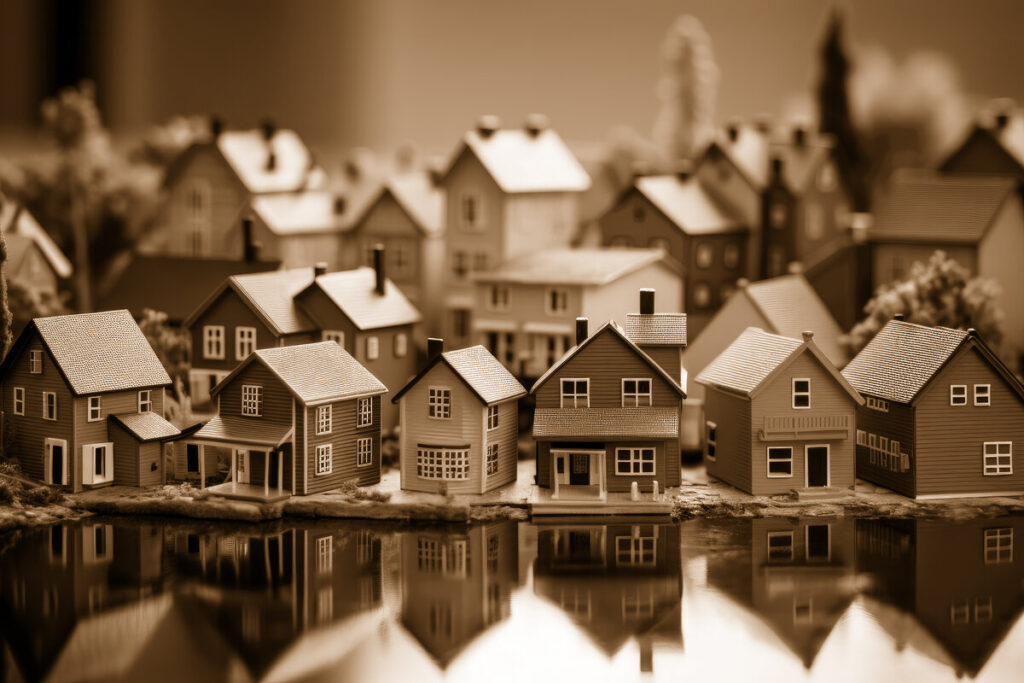
Nestled in the sparkling waters of Biscayne Bay, Biscayne Point stands as one of Miami Beach’s quieter treasures. While South Beach and Ocean Drive often steal the spotlight, Biscayne Point, with its peaceful streets and shimmering canals, has its own fascinating story—one woven from vision, architecture, and the enduring spirit of community.
The Origins of Biscayne Point
The story of Biscayne Point begins in the late 1940s, when Miami Beach was blossoming into an international destination. Developers, inspired by the success of nearby Normandy Isles and the expanding city, envisioned new communities along the northern edge of Miami Beach. Biscayne Point, situated west of 77th Street and extending into Biscayne Bay, was constructed as a series of man-made islands—a testament to the ingenuity that has shaped so much of Miami’s landscape.
As the name implies, “Biscayne” honors the body of water that has been central to the region’s growth. “Point” describes the distinctive, finger-like shape that juts into Biscayne Bay. Early planners carved canals throughout the neighborhood, giving nearly every home a prized, waterfront view. Today, you’ll still find homes with private docks lining the water’s edge, an enduring legacy of the area’s origin as a boater’s paradise.
Key Historical Milestones
- 1940s–1950s: The Development Boom
Biscayne Point’s development coincided with a postwar building surge, and many of its homes still reflect the airy, optimistic architecture of the era. Streets such as Cleveland Road and Daytonia Road became addresses of choice for families seeking tranquil, island living. Developers marketed the neighborhood’s unique blend of privacy, beautiful vistas, and proximity to the vibrant city center.
- 1960s–1970s: Community Flourishes
As Miami Beach grew in both population and reputation, Biscayne Point became an enclave for middle-class families. Parks, like Stillwater Park at the neighborhood’s northwestern edge, provided green space for children to play and neighbors to gather. The community saw the opening of new schools and synagogues, echoing the city’s diverse and growing resident base.
- 1980s–1990s: A Time of Adaptation
The latter half of the 20th century brought challenges, including hurricanes and the city’s evolving economy. Yet, Biscayne Point remained resilient. Homeowners restored and updated original houses, blending the neighborhood’s historic charm with contemporary comforts. The canals, once mostly used by fishermen and the occasional sailor, became even more prized as Miami’s love affair with waterfront living deepened.
Notable Landmarks and Local Treasures
What gives Biscayne Point its soul are the little corners and landmarks you discover as you stroll or bike the peaceful streets.
- Stillwater Park: Small but beloved, Stillwater Park at 8450 Hawthorne Avenue is the neighborhood’s green heart, with shaded benches, a children’s playground, and plenty of room under the banyan trees for a lazy afternoon picnic.
- Historic Homes: Stroll down Biscayne Point Circle or Daytonia Road, and you’ll spot a variety of architectural styles—from 1950s mid-century modern to Mediterranean-inspired facades. Several original structures, lovingly maintained, speak to the area’s roots.
- Biscayne Beach Elementary School: Just a short drive away on 81st Street, this school has educated generations of local children, giving families a central hub and strengthening the bonds among neighbors.
- Canal Bridges: The trio of bridges connecting Biscayne Point’s islands—at 77th, 79th, and 85th Streets—offer some of the best sunrise and sunset views in Miami Beach. Residents often pause here, coffee in hand, to watch pelicans dive for fish in the early morning light.
Evolution Through the Decades
Over the years, Biscayne Point has carefully balanced change and preservation. Modern renovations coexist with historic homes, while new families move in alongside long-time residents. The neighborhood has managed to keep its peaceful character, even as surrounding areas have grown busier and flashier.
In recent decades, the allure of waterfront living brought renewed interest from homebuyers and investors. The result? Tasteful remodels, new landscaping, and updated infrastructure. Yet the community spirit remains—a blend of old Miami Beach warmth and a cosmopolitan, welcoming energy.
Neighbors still wave as you walk a dog along Marseilles Drive or kayak down the canals. Halloween on Biscayne Point is a neighborhood affair, with kids darting between homes and parents sharing homemade treats. The annual block parties remind everyone that, even amidst the changing tides of Miami Beach, some things are worth holding onto.
A Neighborhood with a Distinct Identity
Biscayne Point’s charm is more than just its beautiful views and historic homes. It’s a place where the city’s lively pulse relaxes and where a morning jog is accompanied by ocean breezes and birdsong. Its sense of place is defined not only by its geography and architecture, but by the generations of families who have called it home.
Whether you’re admiring the origins of its street names—like Hawthorne Avenue and Crespi Boulevard—or listening to stories from neighbors who remember the very first block parties, Biscayne Point’s legacy is best captured in the small, daily moments that knit a community together.
Conclusion: The Enduring Appeal of Biscayne Point
Biscayne Point is a rare gem in a city known for constant change. Its roots run deep, yet it continues to evolve—with residents who celebrate the past while embracing the future. Walking down its quiet streets, it all makes sense: this is a neighborhood built not just on land reclaimed from the bay, but on dreams, community, and a love of all that makes Miami Beach so uniquely vibrant.
If you ever find yourself crossing one of the old canal bridges or watching the gentle sway of palm trees on Stillwater Drive, pause for a moment. You’re standing in a place where Miami Beach’s history, beauty, and sense of home come together—Biscayne Point.